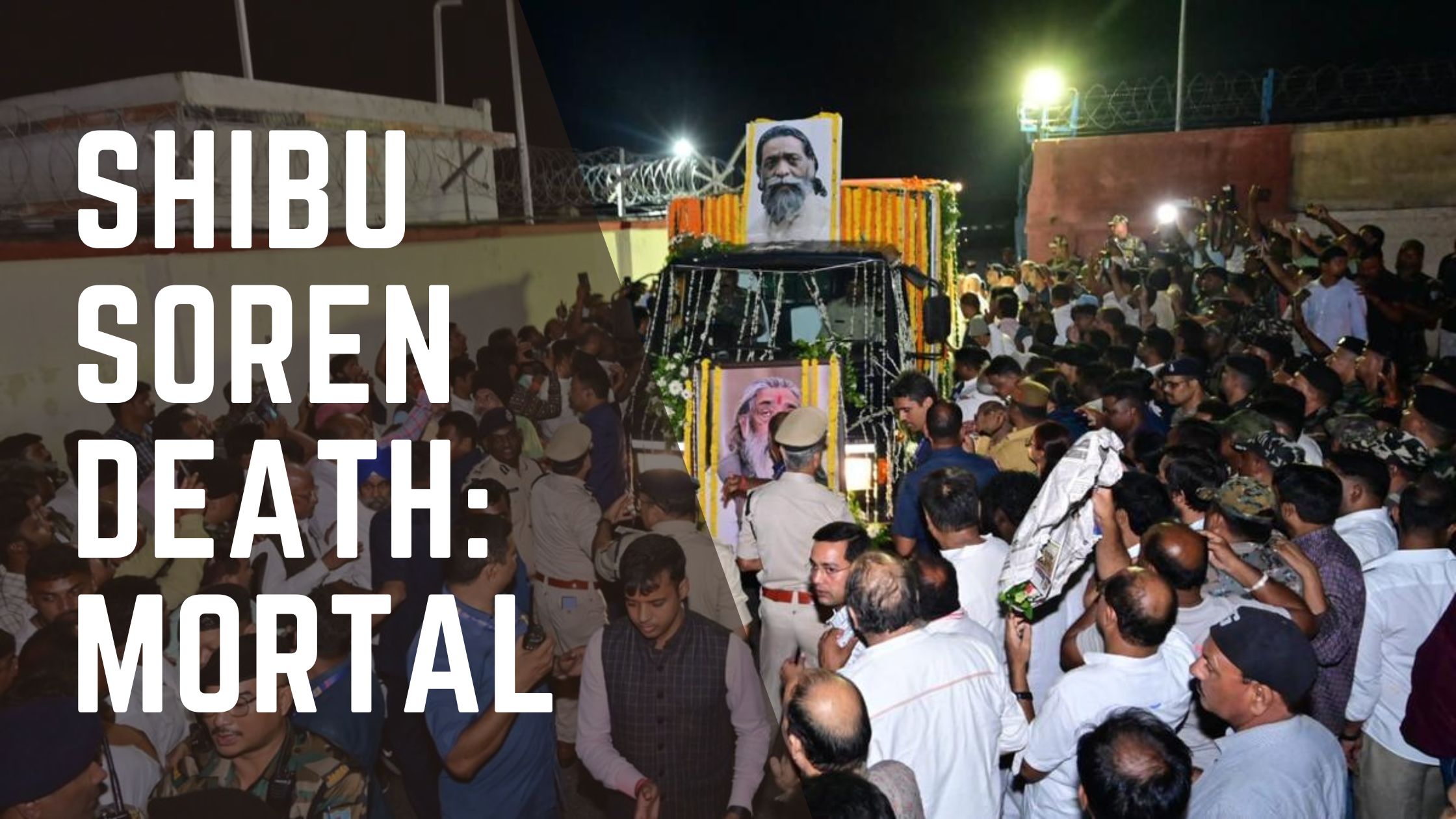
Death of Shibu Soren: The body of JMM patriarch Shibu Soren arrives in Ranchi, where hundreds of people are waiting to pay their respects.
Shibu Soren died in a Delhi hospital on August 4, 2025.
After being in the Sir Ganga Ram Hospital in the national capital for more than a month. Jharkhand Government proclaims three-day State mourning following his passing
Shibu Soren, a well-known tribal leader in India and three-time chief minister of the eastern state of Jharkhand, has died at the age of 81.
He was getting treatment for a kidney problem in Delhi and has been on life support since he had a stroke last month.
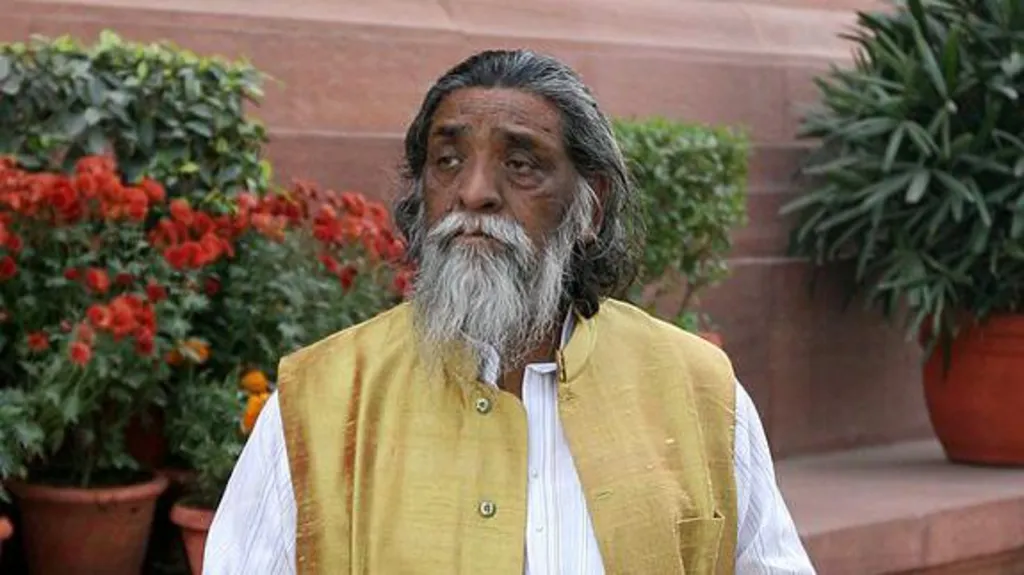
Shibu Soren helped start the Jharkhand Mukti Morcha (JMM), a powerful regional organization that has been in the forefront of making the eastern state tribal-dominated. He has been in politics for more than 40 years. He was the chief minister of Jharkhand three times, but he never finished any of his terms because the state was politically unstable. On Monday, his son Hemant Soren, who is now the chief minister of Jharkhand, said that the politician had died. He posted on X, “Our respected Dishom Guru has left us, I have nothing left.” Dishom Guru is Soren’s nickname, which means “great leader” in Santhali, the language used by the Santhal tribe, one of India’s largest tribal groups.
Prime Minister Narendra Modi led the tributes by calling Shibu Soren “a grassroots leader who rose through the ranks of public life with unwavering dedication to the people.”
Shibu Soren was born in 1944 in a small village in what is now Jharkhand. At the time, the area was still part of Bihar.
He started the JMM in 1973 with the main goal of creating a separate state for tribespeople from the southern areas of Bihar.
Shibu Soren became an important political figure in the area after Jharkhand became a state in 2000.
The Congress party’s cabinet made him the federal coal minister in 2004, but he withdrew a few months later after being found guilty of murder.
He got out of jail later that year and went back to the cabinet. He quit in 2005 to become the chief minister of Jharkhand, but he had to leave after 10 days since his party couldn’t show that it had the most votes in the state assembly.
Later that year, Soren was brought back into the federal government as the coal minister. But he had to quit again after being found guilty of another murder, this time for the kidnapping and murder of his personal assistant Shashinath Jha in 1994. In the end, he was found not guilty on those counts in 2018.
When the news of his death came on Monday, politicians from all political parties offered their respects.
Jairam Ramesh, a senior member of Congress, named him “the pivotal figure” who led the push to form Jharkhand. Ramesh said on X, “He was truly a legend whose passion for social and economic justice was inspirational.”
Sanjay Raut, a member of the powerful Shiv Sena (UBT) party in Maharashtra state, remarked, “For the people of Jharkhand, he was no less than a god.”
Lalu Prasad Yadav, the former chief minister of Bihar, initially against the creation of Jharkhand state but later joined forces with Soren. He remarked that Soren’s death was a “deep sorrow” and considered him a brilliant leader who battled for the rights of Dalits (previously untouchables) and tribespeople.