Why Ben Askren Needed a Lung Transplant: One Warrior’s Battle for Survival
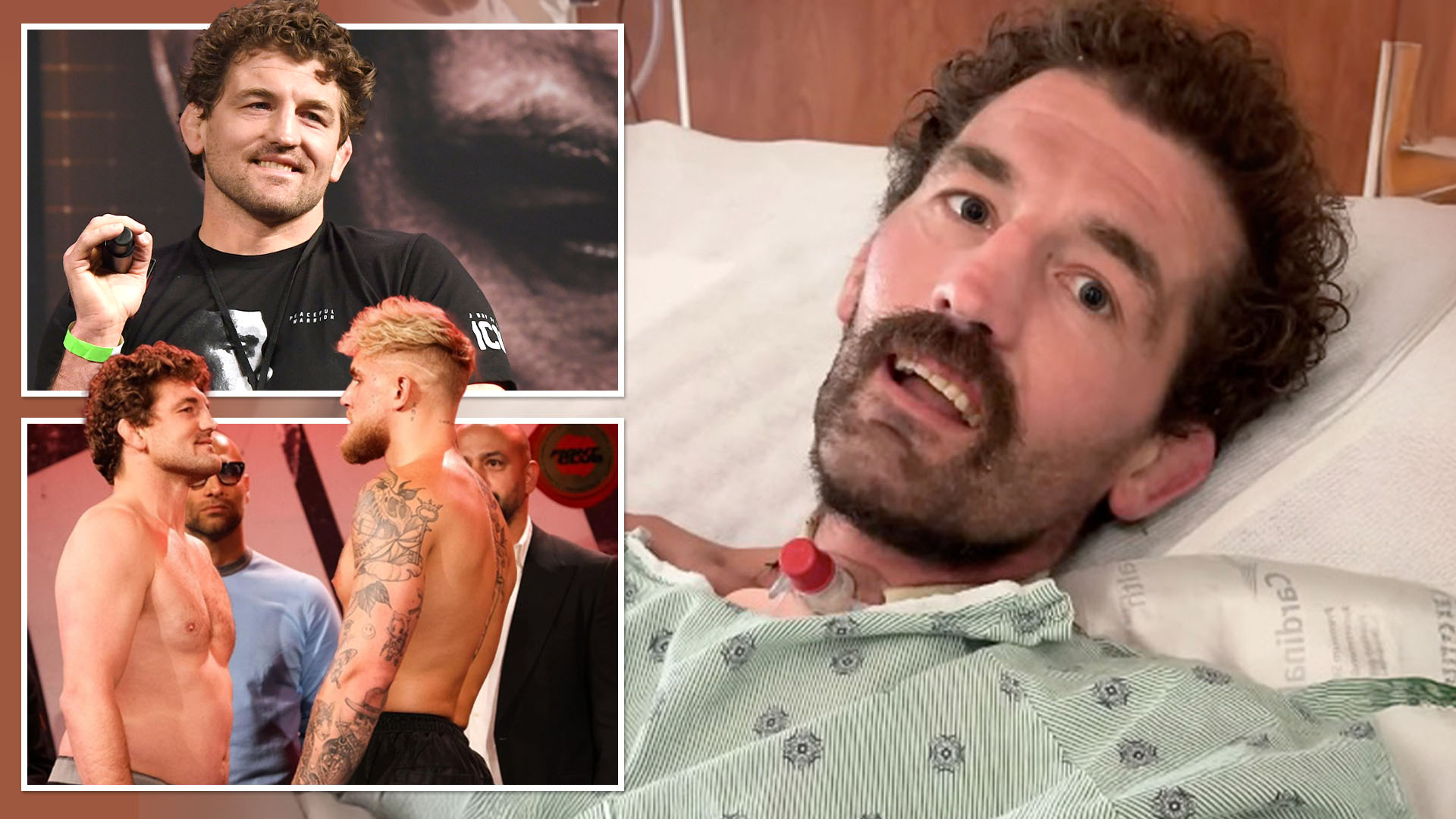
In the harsh world of mixed martial arts, fighters are accustomed to facing adversity head-on. But for former UFC star Ben Askren, the most challenging fight of his life didn’t take place inside the octagon—it happened in a hospital bed in Wisconsin, where he fought for his survival.
A Sudden Health Crisis
Ben Askren, a 40-year-old former Olympic wrestler and MMA champion, was hospitalized in June 2025 with severe pneumonia that developed after a staph infection. What began as a manageable infection soon turned into a life-threatening medical emergency that ultimately required one of the most drastic medical interventions: a double lung transplant.
The severity of Askren’s condition cannot be underestimated. At one point during his fight, his heart stopped for 20 seconds and he “quit four times” while battling severe pneumonia. This harsh reality shows just how close this beloved warrior came to losing his life.
Root Cause: Staph Infection That Led to Pneumonia
To understand why Askren needed a lung transplant, one must examine the medical events that led to this turning point. The 40-year-old father of three developed pneumonia after a staph infection, a condition that is unfortunately common in the MMA world due to the full-contact nature of the sport and the training environment.
Staphylococcal pneumonia is one of the most serious complications that can arise from a staph infection. When staph bacteria invade the lungs, they can cause severe inflammation and damage to lung tissue. In Askren’s case, the infection was so severe that it caused irreversible damage to his lung function, making a transplant the only viable option for survival.

Worsening condition
The multiple-time MMA champion lost 50 pounds over a 45-day period as he fought to save his life in a Wisconsin hospital. This dramatic weight loss highlighted the severity of his condition and the toll the infection was taking on his body. The rapid decline in his health meant that conventional treatments were insufficient to reverse the extensive lung damage.
Askren was placed on a ventilator by doctors to control his condition, but it slowly became apparent that his lungs had suffered more damage than could be repaired with conventional medical interventions. The decision to have a lung transplant was not made lightly—it was a last resort to save his life.
The transplant decision
Askren was placed on the waiting list for a double lung transplant due to severe pneumonia, which left him on a ventilator in critical condition. The medical team’s decision to recommend a double lung transplant rather than try other treatments reflects the extensive nature of the damage caused by the infection.
In medical terms, a double lung transplant is usually performed in cases where both lungs are severely damaged and can’t deliver enough oxygen to the blood or remove carbon dioxide. The fact that Askren needed this level of intervention shows how badly the staph-related pneumonia had affected his respiratory system.
Successful transplant
After a month-long hospital stay in Wisconsin, Askren underwent a double lung transplant. The surgery is not only a medical procedure, but also a gift of life from an organ donor and his family. As his wife Amy said, “This is the beginning of a new lifestyle for Ben,” acknowledging that life after a lung transplant requires significant adjustments and continued medical care.
The wider context of staph infections in MMA
Askren’s case highlights a serious health concern in the MMA community. Staph infections are relatively common among fighters, due to several factors:
The close-contact nature of grappling and wrestling creates opportunities for bacterial transmission. Training facilities, particularly those where cleaning protocols are inadequate, can allow bacteria to thrive on mats and equipment. Cuts and scrapes sustained during training become a gateway for infection. Intense training schedules and physical stress can affect immune system function.
Although most staph infections in athletes can be managed with proper treatment, Askren’s case demonstrates how quickly and seriously these infections can progress under certain circumstances. The progression from staph infection to pneumonia and then complete lung failure represents a worst-case scenario and is a warning to the entire combat sports community.
Financial and personal damage
Askren’s insurance did not initially cover the life-saving lung transplant, leaving the former UFC fighter angry and placing a huge financial burden on his family. A fundraising campaign was launched to help cover the severe medical costs associated with the transplant and recovery, highlighting how such medical emergencies can have a devastating financial impact on even successful athletes.
The impact on Askren and his family personally cannot be measured. As a father of three, the prospect of losing his father to a common infection is every family’s worst nightmare. The uncertainty, fear and stress of watching a loved one fight for life while hooked up to life support equipment creates trauma that goes far beyond the physical healing process.
The road to recovery
In his first video message since the transplant, Askren maintained his typical humor despite the severity of his condition and demonstrated the mental toughness that has helped him throughout his athletic career. However, the road ahead is still long and challenging.
Recovery from a double lung transplant requires months of rehabilitation, continued immune-suppressive therapy to prevent rejection, and regular monitoring for complications. Significant lifestyle changes are necessary after transplant, including dietary changes, exercise restrictions, and increased awareness of the risk of infection caused by the immune-suppressive drugs needed to prevent organ rejection.
Lessons and Awareness
Askren’s experience is a powerful reminder of how quickly health conditions can change, regardless of one’s level of physical fitness or athletic skill. Even top athletes who have dedicated their lives to physical fitness can face life-threatening medical emergencies that require immediate and aggressive intervention.
The MMA community has rallied behind Askren during this difficult time, demonstrating the strong bonds that exist within the sport. As news of his condition spread, an outpouring of support came from both the mixed martial arts and amateur wrestling communities.
Looking Ahead
Although Askren’s wrestling career is certainly over, his fight for life is perhaps his most important victory. The successful transplant gives him the opportunity to continue his role as a father, husband, and mentor in the combat sports community. His experience will likely influence how the MMA community approaches infection prevention and health monitoring going forward.
Ben Askren’s journey from a staph infection to a double lung transplant illustrates the fragility of human health and the remarkable capabilities of modern medicine. His story is not only a warning about the serious health risks posed by seemingly minor infections, but also an inspiring example of medical intervention that saved lives at a time when all other options had been exhausted.
The wrestler who once dominated opponents with his wrestling prowess is now facing a different kind of challenge—one that requires patience, adherence to medical protocols, and the same determination that made him successful in the cage. In many ways, this may be his most important fight yet.